Confronting the phenomenon scientists are calling
The Insect Apocalypse
"If the bee disappeared off the surface of the globe, humans would have 4 years of life left: no more bees, no more pollination, no more plants, no more animals, no more humans."
- Albert Einstein


- The total mass of insects is falling by a precipitous 2.5% each year, suggesting they could vanish within a century.
-Butterflies and moths are among the worst hit. For example, the number of widespread butterfly species fell by 58% on farmed land between 2000 and 2009.
-The Guardian
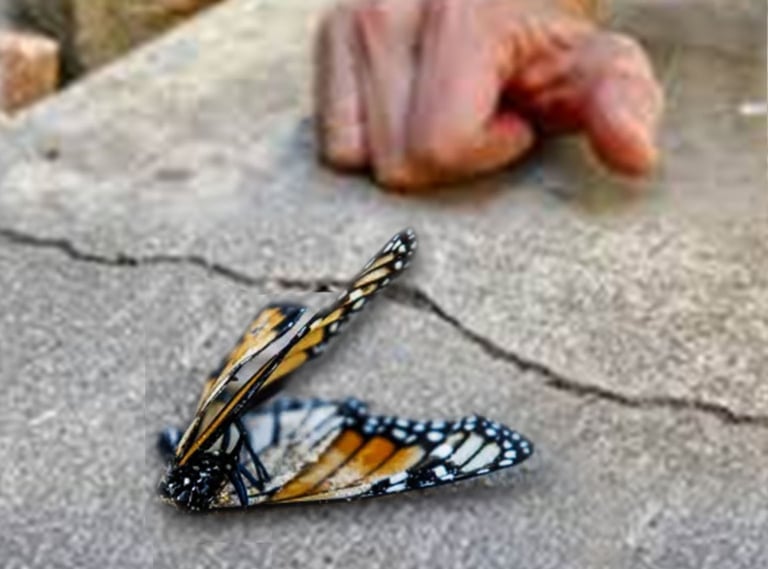
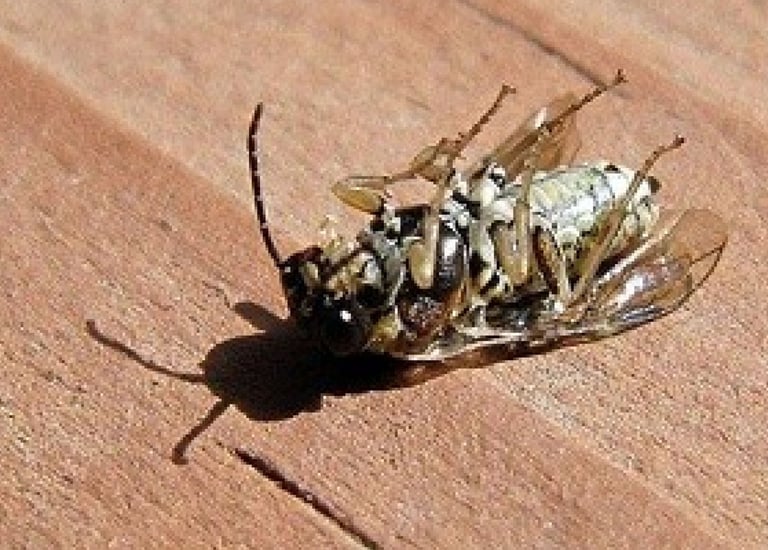
"Nearly half of insect species have seen steep declines in the past decade. 40% of the world's insect species are now threatened with extinction."
- Entomologist Jason Daley, the Smithsonian
Our Future Looks Grim
We cannot live without insects. Decline in insect species threatens human survival on Planet Earth.
A 2019 study found we’re losing 2.5% of the insect biomass annually, driven primarily by human activity, like pesticide abuse and insect habitat destruction.
Scientists predict the current decline will continue to accelerate, reaching catastrophic levels with the loss of one half of current insect biomass in the next few decades.
·
Projected consequences and rates of decline
Population collapse: Studies suggest the current rate of insect decline is 8 times faster than that of mammals, birds, and reptiles.
Biomass loss: An annual loss of 2.5% of insect biomass could result in a 20% loss in 10 years, a 52% loss in 50 years, and a 92% loss in 100 years.
Threatened species: Over 40% of insect species are threatened with extinction, and a third are endangered.
Ecosystem impact: This decline threatens critical ecosystem functions, including pollination, pest control, and nutrient cycling.
Primary drivers of decline
Habitat loss: The conversion of natural habitats to intensive agriculture is the main cause. This includes the destruction of forests and the loss of natural areas in suburban landscapes.
Pollution: The use of agro-chemical pollutants and widespread use of insecticides contribute significantly to the decline.
Invasive species: The introduction of non-native species disrupts local ecosystems.
Facts and Forecast
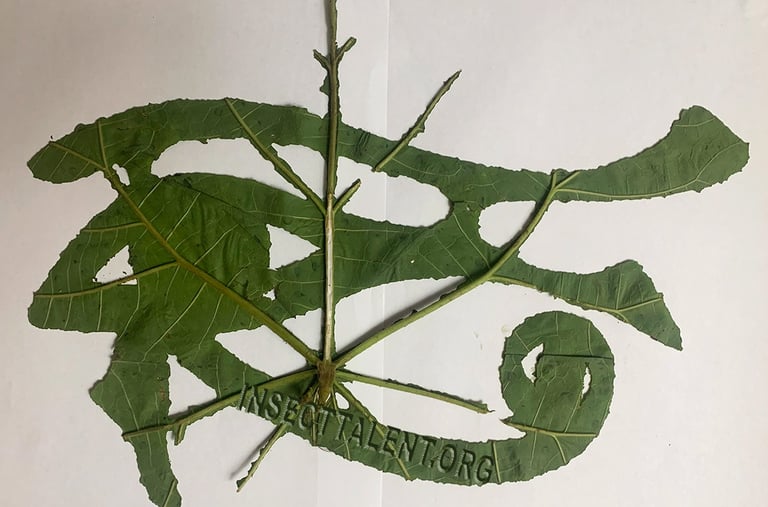
Insect Talent, its artworks, and the processes used to produce them, are protected by the US Patent and Trademark Office #63/257,059.
© 2020. All rights reserved.